Nigeria Sinotruk Local Sales Center 2025 Howo New Model
Top One World Famous Brand - Sinotruk Nigeria
Nigeria Sinotruk Local Sales Center 2025 Howo New Model
1. What Is Iron Products Industries Ltd (IPI) in Nigeria?
2. IPI Nigeria Lagos: Products and Main Applications
3. Semi Trailers for the Nigerian Transport Market
4. IPI vs Other Semi Trailer Suppliers in Nigeria
5. Best Alternatives to IPI for Semi Trailers
Iron Products Industries Ltd (IPI) is a Nigerian industrial company with business activities in steel fabrication, automotive assembly, trailer manufacturing and related industrial services, with its main operations located in Lagos.
Iron Products Industries Ltd, also known as IPI, is an established industrial company in Nigeria with a long history of manufacturing and engineering activities. The company has developed its business around steel fabrication and has expanded into automotive assembly, trailer manufacturing, logistics and other industrial sectors. With its operations in Lagos, Iron Products Industries Ltd Lagos has become associated with Nigeria's commercial vehicle and industrial manufacturing market.
The company's trailer manufacturing business covers a range of transportation equipment for different industries. Its product portfolio includes flatbed and platform trailers, low bed trailers, container trailers, tipping trailers, drop-side and drop-tail trailers, double-deck trailers and other customized trailer solutions. These products are designed for applications including general cargo transportation, construction, industrial logistics, agriculture and heavy equipment transportation.
Lagos is an important base for IPI because it is one of Nigeria's largest commercial and transportation centers. The city's port facilities, industrial areas, warehouses and extensive road transportation network create strong demand for trucks, trailers and other heavy transportation equipment. This also gives IPI Nigeria an important position in the country's trailer and commercial vehicle market.
For customers purchasing semi trailers, IPI represents one of the options available in the Nigerian market. However, the trailer market in Nigeria is not limited to one manufacturer. Local manufacturers, distributors and international trailer manufacturers all supply equipment to Nigerian transport companies, construction businesses, logistics operators and industrial customers.
It is also important to distinguish the Nigerian Iron Products Industries Ltd from the China-based IPI company presented on this website. The two companies are independent businesses. The China-based company focuses on manufacturing and exporting semi trailers and other heavy transportation equipment, while Iron Products Industries Ltd is a Nigerian industrial company. The China-made trailer products can nevertheless provide an alternative sourcing option for Nigerian customers who need new semi trailers with different specifications and configurations.
For Nigerian transport businesses, the most suitable trailer depends on the type of cargo, required payload, road conditions and tractor configuration. Flatbed trailers are widely used for general cargo and containers, lowbed trailers are suitable for excavators and heavy machinery, container chassis are designed for port logistics, while dump and tanker trailers serve specialized transportation requirements.
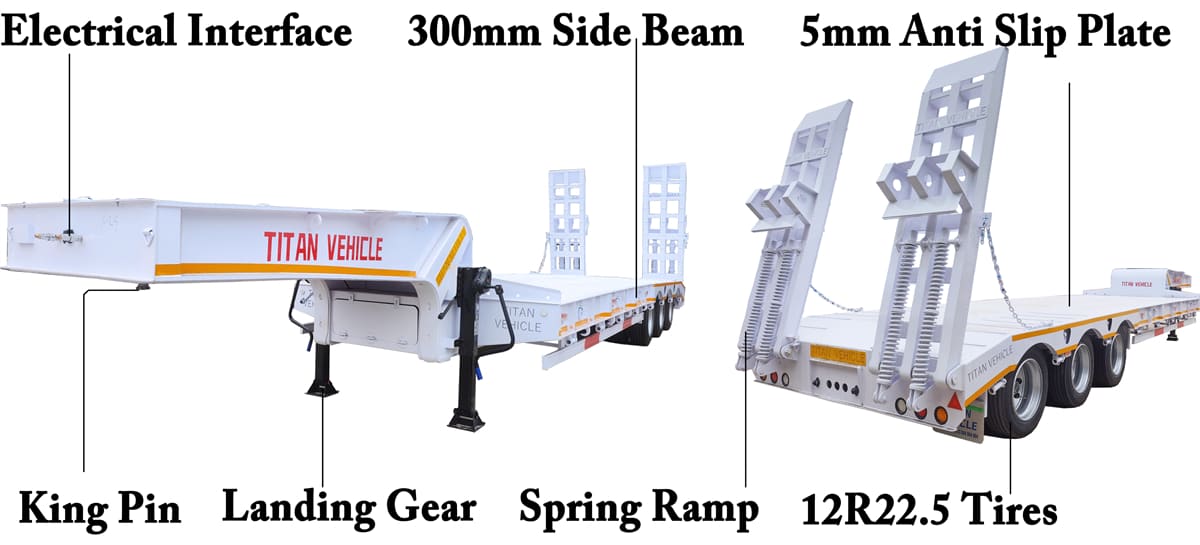
IPI Nigeria has a broad industrial background, while semi trailers are an important part of the transportation equipment market in Lagos and across Nigeria. Different trailer designs are used for containers, general cargo, construction machinery, bulk materials and liquid transportation.
Lagos is one of Nigeria's most important commercial and logistics centers, and the city's busy transportation network creates strong demand for reliable trucks and semi trailers. From container transportation around the port to long-distance freight between Lagos and other Nigerian states, trailers are widely used by logistics companies, construction contractors, manufacturers and distributors.
The trailer products associated with Iron Products Industries Ltd include several designs for different transportation requirements. Flatbed and platform trailers are suitable for general cargo, while container trailers are designed around standard shipping containers. Low bed trailers provide a lower loading platform for heavy machinery, and tipping trailers are designed for bulk materials used in construction and other industrial operations.
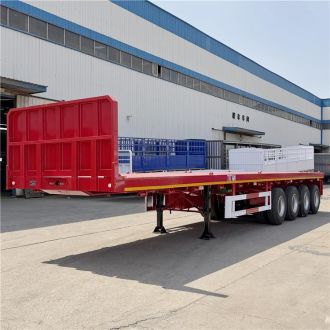
For general transportation, a flatbed semi trailer is one of the most flexible choices. Its open platform allows different types of cargo to be loaded by crane, forklift or other equipment. Steel products, machinery, pipes, timber, construction materials and other large cargo can be transported on the same trailer. A 40ft flatbed can also be equipped with container locks, allowing it to handle standard shipping containers when required.
Container transportation is particularly important in Lagos because of the city's role in Nigeria's import and distribution network. A dedicated container chassis provides secure support for 20ft and 40ft containers and is well suited to transportation between ports, warehouses, factories and inland destinations. For companies that mainly handle container logistics, a skeletal trailer can provide a more specialized solution than a general-purpose flatbed.
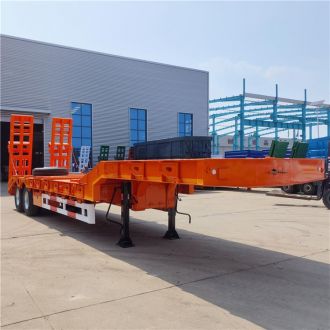
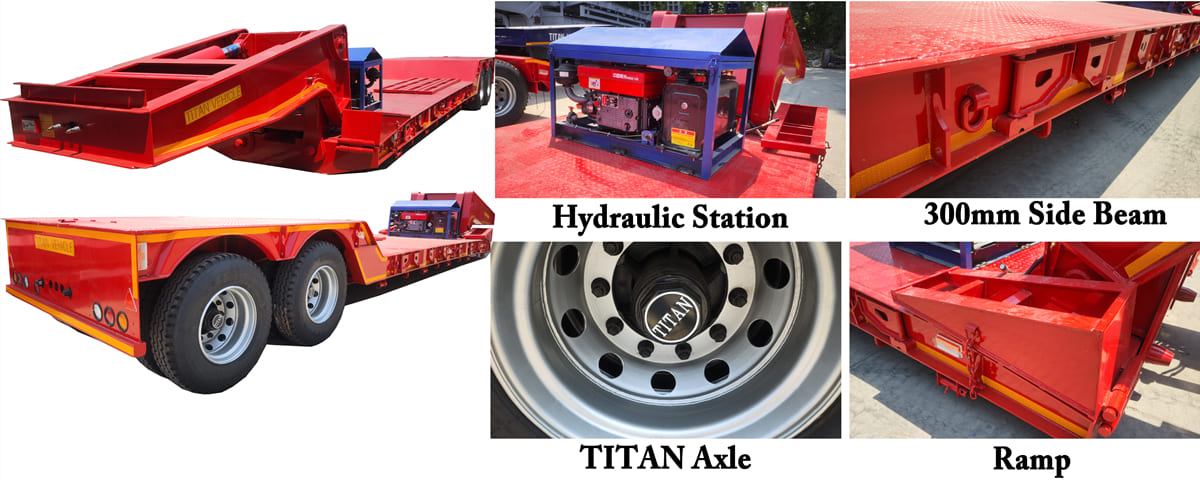
Lowbed trailers are widely used when the cargo itself is too heavy or too tall for a conventional trailer. Excavators, bulldozers, wheel loaders, graders, cranes and other construction machinery can be loaded onto a lowbed and transported between project locations. A strong frame, appropriate axle capacity and reliable loading ramps are especially important for this type of work.
Dump semi trailers are designed for bulk materials such as sand, gravel, crushed stone and construction waste. The hydraulic tipping system allows the cargo to be discharged efficiently, which can reduce unloading time on construction sites, quarry operations and industrial projects. For demanding applications, the trailer body and chassis can be reinforced to withstand repeated heavy loading.
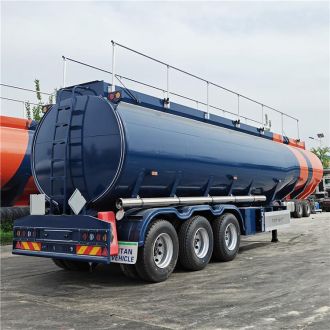
Tanker trailers serve another important part of the Nigerian transportation market. Fuel tanker trailers and other liquid cargo trailers can be manufactured with different capacities and compartment arrangements according to the customer's requirements. Tank material, valves, piping, braking equipment and safety systems should all be considered when selecting a tanker.
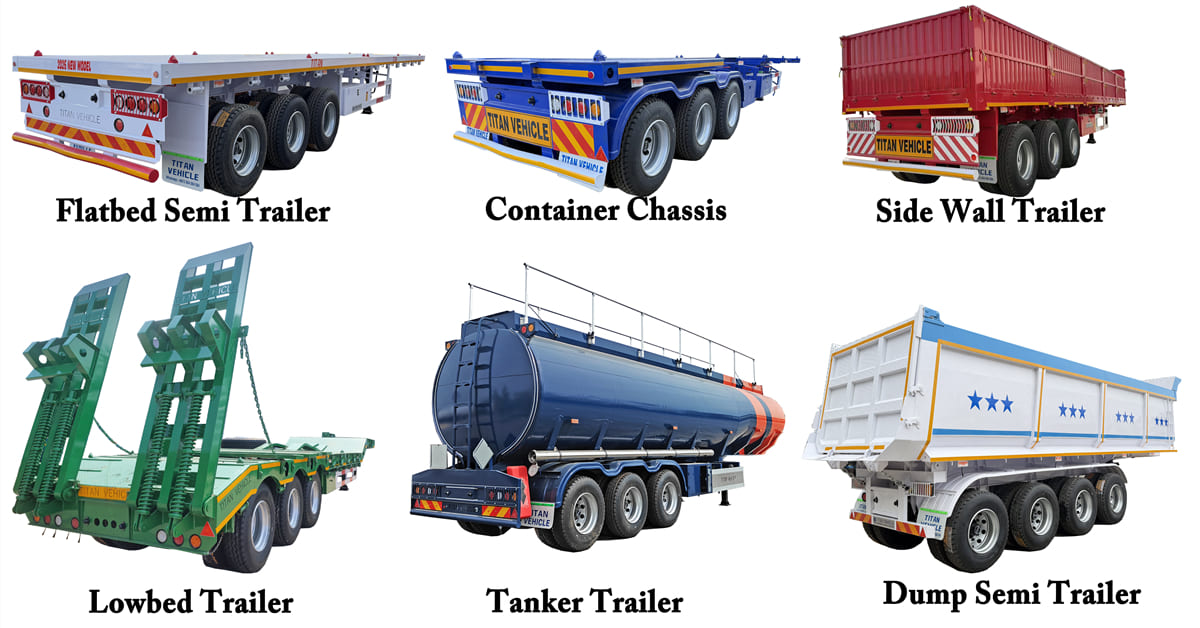
Nigerian semi trailers need to combine strong construction, suitable payload capacity and practical configurations for local road and transportation conditions. Flatbed, lowbed and container trailers are particularly versatile choices for different commercial applications.
Nigeria has a large road transportation network connecting Lagos with major commercial and industrial areas across the country. Semi trailers are used for both short-distance distribution and long-distance freight, so durability is an important consideration when selecting equipment.
A flatbed semi trailer is a practical choice for companies that transport different types of cargo. The open deck makes it easier to handle machinery, steel products, construction materials and containers. Three-axle flatbeds are widely suitable for general transportation, while four-axle and heavier configurations can be considered when the required payload increases.
For container transportation, a 40ft flatbed or container chassis can be matched with a 6x4 tractor truck for regular logistics operations. Properly positioned twist locks are essential when transporting containers, while a strong main frame helps the trailer handle repeated loading and unloading.
A lowbed semi trailer is more suitable for heavy equipment. Its low platform helps reduce the overall height of the loaded vehicle and provides a stable base for excavators, bulldozers, wheel loaders and other machinery. Depending on the application, the trailer can be equipped with loading ramps, a detachable gooseneck or reinforced deck sections.
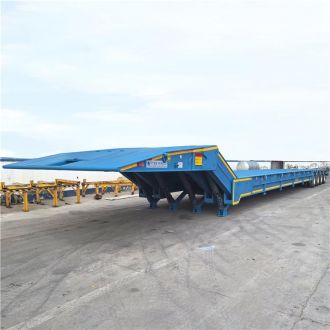
For customers transporting very heavy machinery, multi-axle lowbed trailers provide improved load distribution. The number of axles should be selected according to the actual equipment weight, road conditions and applicable transportation requirements rather than simply choosing the highest available axle number.
The trailer's main frame is another major factor in long-term performance. Heavy-duty semi trailers should use an appropriate steel structure and sufficient cross members to withstand dynamic loads during transportation. Welding quality, reinforcement and the design of the main beams can have a direct influence on durability.
Suspension also needs to match the application. Mechanical suspension is commonly selected for heavy-duty operations because of its simple design and convenient maintenance. Air suspension can be considered for highway transportation where ride quality and cargo protection are more important. The right choice depends on how and where the trailer will operate.
Braking performance is equally important. The trailer should be equipped with a braking system that is properly matched to the tractor and intended payload. Air tanks, brake chambers, valves and other braking components should be selected according to the complete vehicle configuration.
For Nigerian fleet operators, spare parts and maintenance should also be considered before purchasing. Axles, tires, suspension components and braking parts that are easier to obtain can help reduce downtime and make long-term fleet management more convenient.
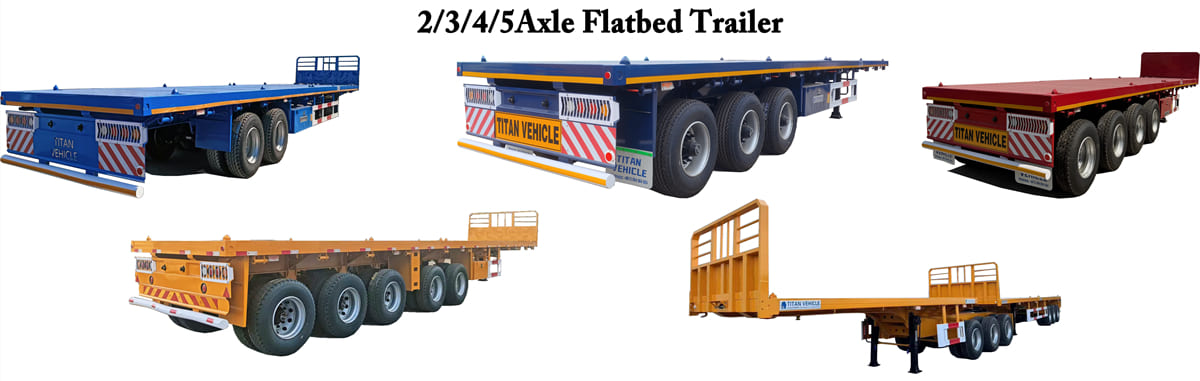
IPI is one established name in Nigeria's industrial and trailer sector, but buyers have several options when purchasing semi trailers, including Nigerian manufacturers, local distributors and China-based manufacturers. The best choice depends on product quality, price, customization, delivery and after-sales support.
The Nigerian semi trailer market has developed around a combination of local manufacturing and imported equipment. Local manufacturers can provide advantages in domestic communication and service, while international manufacturers can offer a wider selection of trailer configurations and customized specifications.
Iron Products Industries Ltd has a long-established presence in Nigeria and has developed trailer manufacturing as part of its broader industrial business. Its product range covers several types of trailers, allowing different industries to obtain equipment for cargo transportation, construction and industrial applications.
For buyers who need customized semi trailers, direct purchasing from a China-based manufacturer can also be an attractive option. Chinese trailer manufacturers produce large quantities of flatbed, container, lowbed, dump, tanker and specialized trailers for international markets. This manufacturing scale makes it possible to offer different axle configurations, dimensions and equipment packages.
A Nigerian company purchasing one or two standard trailers may prioritize local availability and service. A fleet operator purchasing multiple units may place more emphasis on factory pricing, production capacity and customization. For this reason, there is no universal winner when comparing IPI with other suppliers.
Price is an important factor, but it should not be considered separately from the trailer specification. Two 3-axle flatbed trailers may look similar but have different prices because of differences in steel, axle brand, suspension, tires, braking components and manufacturing standards.
The same principle applies to lowbed trailers. A heavy-duty lowbed with reinforced beams, higher-capacity axles and stronger ramps will naturally cost more than a lighter model. Customers should therefore compare complete specifications instead of choosing a trailer simply because its advertised price is lower.
For international purchases, the supplier's export experience is also important. A manufacturer familiar with African markets can better understand requirements related to trailer structure, road conditions, tires, suspension and shipping. Clear communication before production can also reduce the risk of specification differences after delivery.
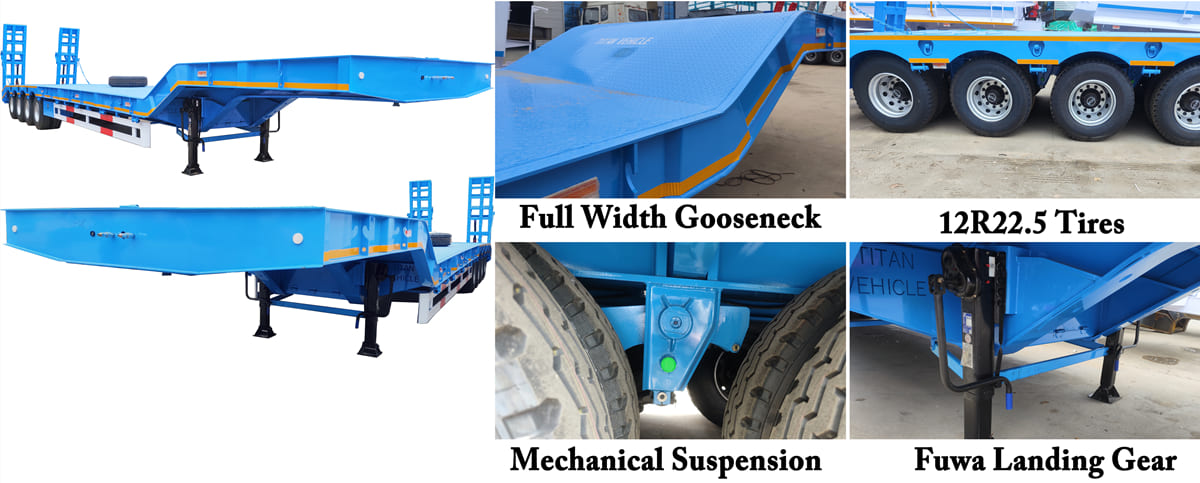
China-made semi trailers are a practical alternative for Nigerian buyers who want competitive factory pricing, customized specifications and a wide selection of trailer models for logistics, construction, mining and industrial transportation.
There is no single alternative that is suitable for every Nigerian buyer. The best option depends on the type of cargo, required capacity, budget, delivery schedule and level of customization.
For logistics companies, a 40ft flatbed or container chassis can provide an efficient solution for container transportation. For construction companies, a lowbed trailer can be configured to transport excavators, bulldozers and other heavy machinery. Mining and quarry operators may need reinforced dump trailers, while fuel distributors require tanker trailers designed for liquid transportation.
China has become an important source of commercial trailers for African markets because manufacturers can produce a wide range of configurations. Customers can select different axle numbers, payloads, deck dimensions, suspension systems, tires and braking components according to their specific application.
For example, a Nigerian customer can purchase a 3-axle 40ft flatbed for standard container transportation or choose a 4-axle model when greater load distribution is required. A lowbed can be produced with different deck lengths and loading ramps, while a dump trailer can be reinforced for demanding quarry and construction applications.
Another advantage of direct factory purchasing is customization. Instead of choosing only from locally available stock, Nigerian customers can discuss the required specifications with the manufacturer before production begins. This can be particularly useful when the trailer needs to match an existing tractor fleet.
For fleet operators, purchasing several trailer types from the same manufacturer can also simplify procurement. A company may require flatbeds for general cargo, container chassis for port transportation and lowbeds for construction machinery. A manufacturer with a broad product portfolio can potentially supply these different requirements within the same purchasing program.
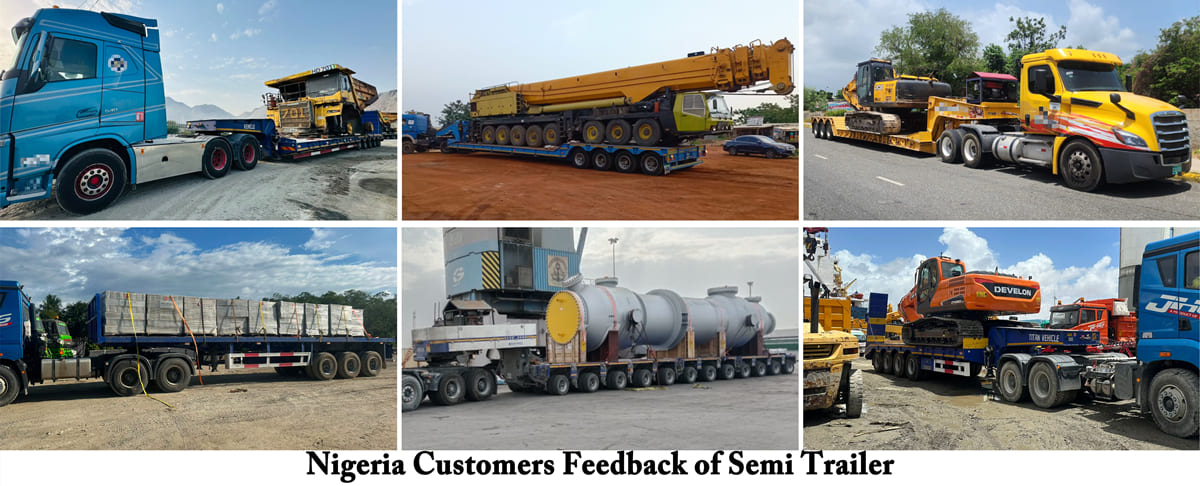
The following trailer configurations are commonly suitable for different Nigerian applications:
For customers considering a China-made trailer as an alternative to IPI Nigeria, supplier verification is still important. The buyer should confirm the legal company name, factory location, trailer specifications, warranty, production schedule and shipping terms before placing an order.
The China-based IPI trailer supplier mentioned on this website is an independent Chinese company and is not the same legal entity as Iron Products Industries Ltd in Nigeria. Its role is to provide China-made semi trailers and heavy transportation equipment to international customers, including buyers in Nigeria.
Why Choose China-Made Semi Trailers for Nigeria?
China-made semi trailers offer Nigerian buyers a combination of manufacturing capacity, customization and competitive factory pricing, making them a strong option for companies expanding or replacing their transportation fleet.
China has a mature commercial vehicle manufacturing industry and produces a wide range of semi trailers for domestic and international markets. This gives Nigerian buyers access to both standard models and customized heavy-duty solutions.
One of the main advantages is product flexibility. Customers can select the trailer type and then adjust the axle configuration, dimensions, payload, suspension, tires and other components according to the intended application.
For example, a Nigerian logistics company operating around Lagos may need a 40ft flatbed for container transportation, while a construction contractor may need a 60-ton lowbed for excavators. A mining company may require a reinforced dump trailer, while a petroleum transportation business may need a large-capacity tanker.
A China-based manufacturer can provide these different trailer categories, allowing customers to source multiple types of equipment from one production partner.
Factory-direct purchasing can also make communication more straightforward. The customer can confirm the specifications before production, review the trailer configuration and arrange shipping according to the final destination in Nigeria.
Quality control is another important consideration. A professional manufacturer should be able to provide production photos, technical specifications and inspection information before shipment. For export trailers, protective measures such as anti-corrosion treatment and suitable shipping packaging can also help protect the equipment during ocean transportation.
Again, the company identity should be clear. The China-based IPI trailer supplier is independent from Nigeria's Iron Products Industries Ltd. Nigerian buyers can consider the China-made products as an alternative source of semi trailers without confusing the two companies.
How to Choose the Right Semi Trailer in Nigeria
The right semi trailer should be selected from the cargo and working conditions first, followed by the appropriate capacity, axle configuration and supplier.
Before purchasing a trailer, Nigerian customers should first determine what the trailer will transport and how it will be used.
A company transporting containers from Lagos needs to focus on container dimensions and twist-lock configuration. A construction company transporting excavators needs to consider machinery weight, dimensions, deck height and loading ramps. A quarry operator should pay more attention to body strength, hydraulic tipping equipment and suspension durability.
The tractor truck should also be considered. The trailer needs to be compatible with the tractor's fifth wheel, braking system, electrical connection and overall operating configuration.
For many general transportation businesses, a 3-axle flatbed is a practical starting point. Companies carrying heavier cargo can consider 4-axle or 5-axle models according to their specific requirements.
For heavy machinery, a lowbed is normally more appropriate. For container logistics, a dedicated container chassis can improve transportation efficiency. For bulk materials, a dump trailer can reduce unloading time.
The supplier should then provide a complete specification and quotation based on these requirements.
Add: PLOT 3, OBA, AKRAN AVENUE, IKEJA, LAGOS