Nigeria Sinotruk Local Sales Center 2025 Howo New Model
Top One World Famous Brand - Sinotruk Nigeria
Nigeria Sinotruk Local Sales Center 2025 Howo New Model
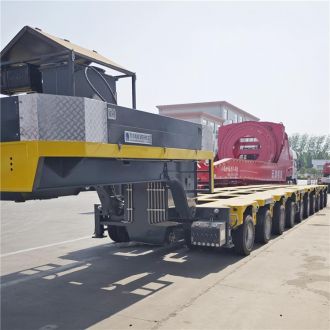
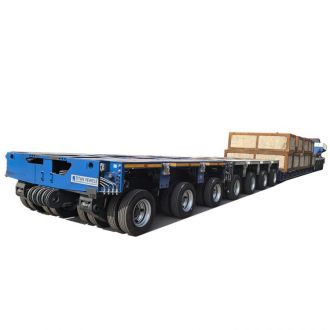
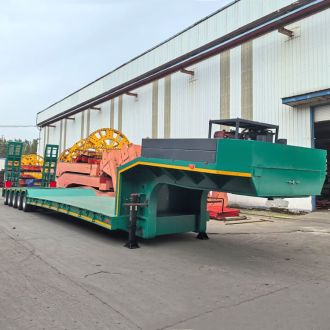
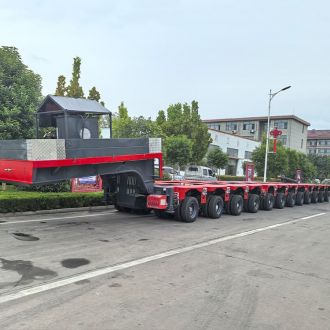
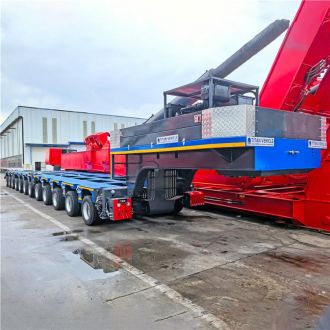
Spmt Trailer | Goldhofer Trailer Price | Self Propelled Modular Transporter Trailer For Sale In Nigeria
1. What is a Self Propelled Modular Transporter (SPMT) Trailer?
2. Key Features and Technical Specifications of Goldhofer SPMT Trailers
3. Goldhofer SPMT Trailer Price Guide: Factors Influencing the Cost
4. Why Buy a Self Propelled Modular Transporter Trailer in Nigeria?
5. Top Applications of SPMT Trailers in Nigeria’s Heavy Transport Industry
6. How SPMT Trailers Compare to Conventional Multi-Axle Hydraulic Lowbed Trailers
SPMT Trailer in Nigeria: Goldhofer SPMT Features, Price, Applications and Buying Guide
Self Propelled Modular Transporters (SPMTs) are among the most advanced heavy transport systems for moving extremely heavy and oversized loads. In Nigeria, where oil and gas, power generation, port construction, mining, infrastructure development and industrial projects require the movement of large equipment, an SPMT trailer can provide significantly greater maneuverability and load-control capability than a conventional trailer.
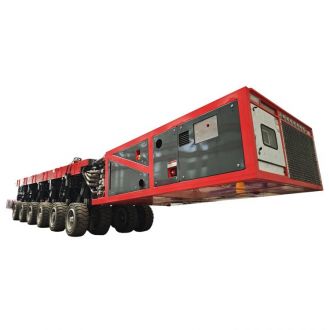
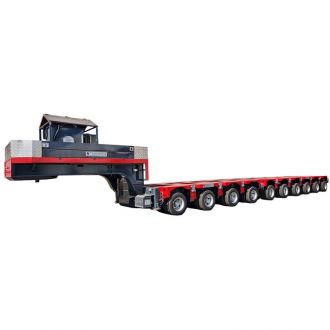
An SPMT is a self-propelled modular heavy transport system that carries extremely heavy or oversized loads using its own hydraulic drive and steering system, without requiring a conventional tractor to pull the load.
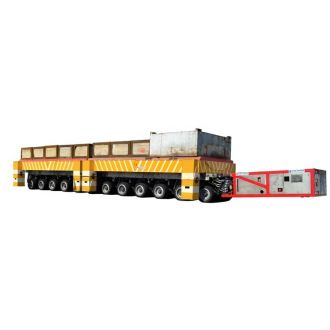
A self propelled modular transporter consists of multiple independent axle lines or modular units that can be connected longitudinally, side by side, or in more complex configurations. Each module contains hydraulic suspension, steering, wheels, and in driven configurations, a hydraulic or mechanical power transmission system. A power pack provides the energy required to move the transporter.
Unlike a conventional semi-trailer, an SPMT trailer does not simply depend on a truck tractor to provide pulling force and basic steering. The transporter itself can move, steer, raise or lower the hydraulic suspension, and distribute the load across a large number of axle lines. This makes the self propelled modular trailer particularly useful when the cargo is too heavy, too wide, too long, or too difficult to maneuver with standard heavy-haul equipment.
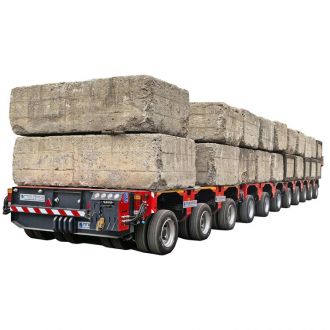
The modular design is one of the most important characteristics of an SPMT. If a project requires a higher payload capacity, operators can increase the number of axle lines. If the cargo is extremely wide, modules can be arranged side by side. For long loads, multiple modules can be connected longitudinally. The exact configuration depends on cargo weight, dimensions, center of gravity, road conditions, ground bearing pressure and project requirements.
The term SPMT trailer is commonly used in the heavy transport industry, although technically an SPMT is different from a conventional trailer because it is self-propelled. In practical commercial searches, buyers may use terms such as SPMT trailer for sale, self propelled modular trailer, self propelled transporter, or SPMT transport system when looking for this type of equipment.
Goldhofer is one of the major manufacturers associated with self-propelled heavy-duty modular transport systems. Its PST family is designed for heavy-duty transportation and can be combined with other towed and self-propelled modules. For example, Goldhofer's PST/SL system has a stated axle load of up to 45 tonnes at 1 km/h, a 600 mm axle compensation range and steering of up to ±55°, depending on configuration.
The main reason an SPMT trailer is so valuable is not simply its theoretical payload. Its real advantage is the ability to control a very heavy load precisely. When transporting a large transformer into a power plant, positioning a reactor inside an industrial facility, moving a bridge section, or transferring heavy equipment through a restricted site, millimeter-level movement and flexible steering can be more important than maximum road speed.
For Nigerian customers, this distinction is important. A conventional lowbed trailer may be sufficient for transporting construction machinery between cities, but an SPMT becomes much more valuable when the project involves ultra-heavy cargo, restricted working areas, complicated routes or precise positioning.
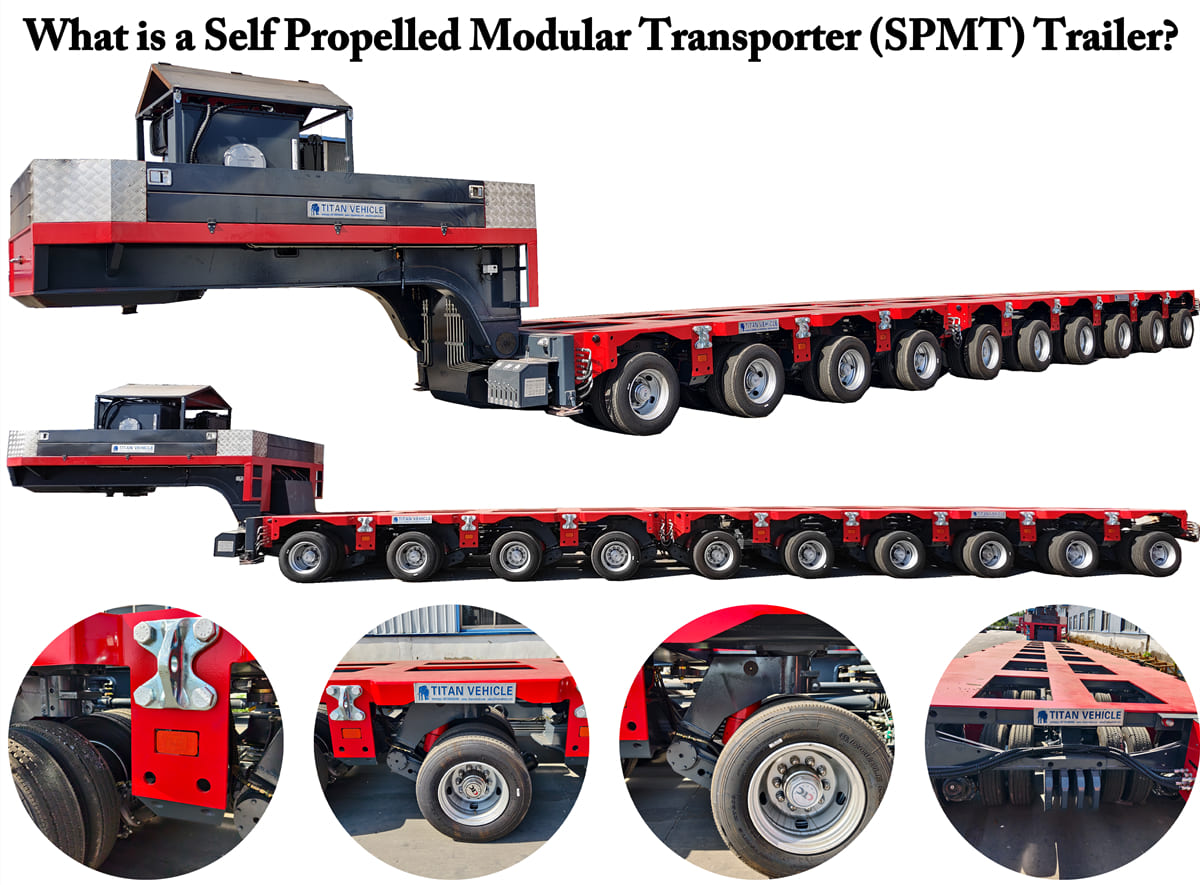 What is a Self Propelled Modular Transporter (SPMT) Trailer?
The main strengths of a Goldhofer SPMT trailer are modularity, hydraulic load compensation, high steering capability, self-propulsion and the ability to combine multiple axle lines into a customized heavy transport system.
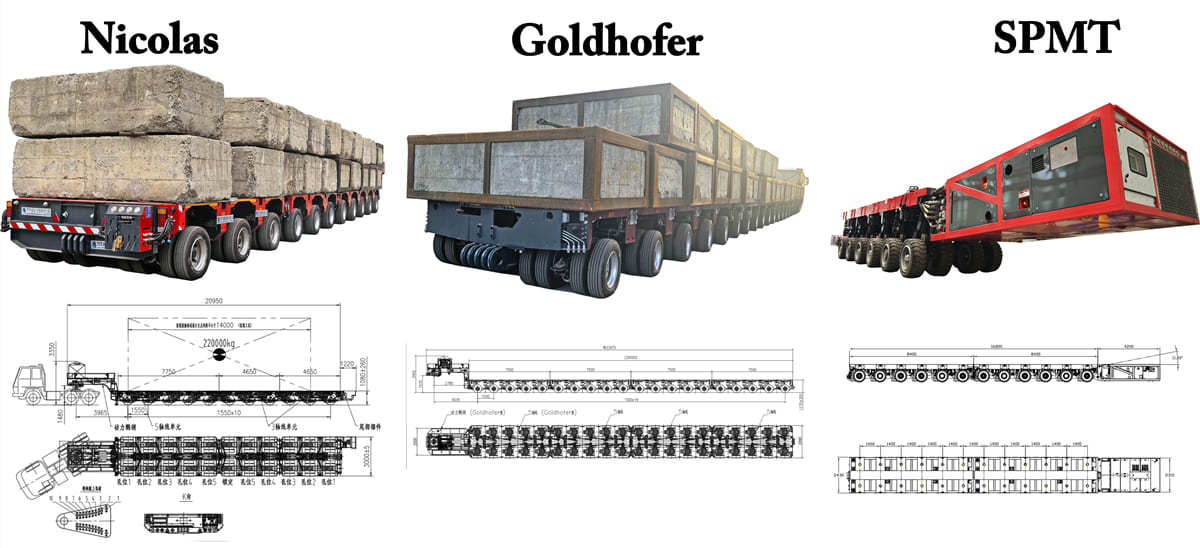
Goldhofer's self-propelled product range includes the PST/SL and PST/ES-E families. The specifications vary according to configuration, so buyers should not evaluate a goldhofer trailer for sale only by the number of axles. The power pack, driven axle lines, tire configuration, hydraulic system, steering arrangement and module combination all influence the actual operating capability.
For example, goldhofer trailer price lists the PST/SL with 4, 6 or 8 axles, up to 45 tonnes axle load at 1 km/h, 600 mm axle compensation, 200 kN traction force per driven axle line, a 3,000 mm vehicle width and ±55° maximum steering angle.
The PST/ES-E family focuses on economical fleet mobilization and can reach axle loads of up to 60 tonnes depending on the selected model. self propelled modular trailer also highlights a ±135° steering angle and configurations designed to reduce the number of driven axle lines required for certain operations.
Hydraulic Suspension and Load Compensation
Hydraulic suspension is fundamental to an SPMT trailer. Each axle line can respond to changes in ground level while maintaining controlled load distribution. This is especially useful on construction sites, industrial facilities and other areas where the surface may not be as uniform as a finished highway.
The hydraulic system also allows operators to control the loading height. This can be particularly useful when an spmt trailer has to approach a heavy load, pick it up through hydraulic lifting, transport it, and then position it accurately at its final location.
Independent Steering
Another major advantage of an spmt trailer is its steering flexibility. Conventional trailers generally follow the tractor, while an spmt trailer can control the steering of its own axle lines. Depending on the system, this allows straight movement, turning, diagonal movement and highly precise positioning.
For Nigeria's industrial projects, this can be especially useful inside power stations, ports, refineries and construction sites where the available space may be limited.
Modular Configuration
The word "modular" is central to the concept. Operators do not necessarily need one enormous fixed trailer. Instead, modules can be combined according to the cargo.
For example, a transport company could use a smaller configuration for a medium-size transformer and add additional axle lines for a heavier generator. This provides greater fleet flexibility than purchasing multiple fixed trailers for every individual payload category.
Goldhofer's broader heavy-duty modular portfolio also demonstrates this modular philosophy. Its THP/SL towed modules can be combined with self-propelled heavy-duty modules, while different deck, spacer and adapter options are available for specialized transport requirements.
Power Pack and Propulsion
An SPMT trailer requires its own power source. Goldhofer's PST/SL product information lists several power-pack options, including engines from Deutz and Cummins with outputs ranging from approximately 155 kW to 390 kW depending on configuration.
For Nigerian buyers, engine specification should be evaluated together with local serviceability, spare parts availability, fuel consumption, operating environment and technical support. A technically powerful self propelled modular trailer is only commercially useful if it can be maintained reliably throughout long-term projects.
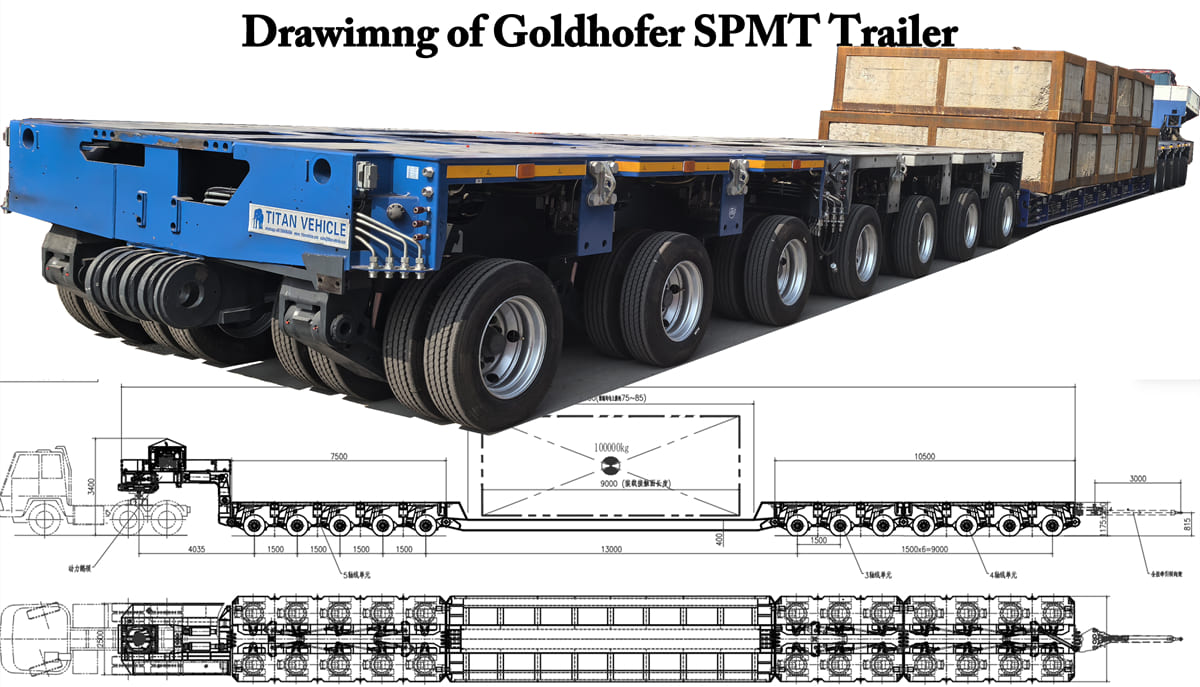 Key Features and Technical Specifications of Goldhofer SPMT Trailers
A Goldhofer SPMT trailer generally costs around USD 100,000–150,000+, depending on the number of axle lines, power pack, configuration and whether the equipment is new or used. A complete high-capacity Goldhofer SPMT system with multiple modules and power packs can cost more than USD 300,000.
There is no universal Goldhofer trailer price because an self propelled modular transporter is a modular engineered system rather than a standard fixed trailer; the final price depends heavily on axle quantity, power packs, hydraulic equipment, configuration, accessories, condition, shipping and project requirements.
Searching for a simple "Goldhofer trailer price" can therefore produce misleading results. A standard Goldhofer semi-trailer, heavy-duty modular trailer and self-propelled PST system are very different products with very different prices.
For an SPMT trailer, the buyer normally needs to specify the required number of axle lines, maximum load, preferred configuration, driven axle lines, steering requirements, power pack, remote control, hydraulic lifting range and other accessories before a meaningful quotation can be prepared.
The final Goldhofer trailer price is normally quoted according to the complete configuration rather than simply the trailer itself. For example, a system with more axle lines, multiple power packs, additional hydraulic modules and remote-control equipment will cost more than a basic configuration.
For Nigerian buyers, the total landed cost should also include shipping to Nigeria, import duties and taxes where applicable, inland transportation, commissioning, operator training and spare parts. Therefore, the purchase price shown in an overseas quotation may not represent the final cost of putting the SPMT into operation in Nigeria.
If the project requires an SPMT for transporting a 300-ton, 500-ton, 800-ton or 1,000-ton load, the required number of axle lines and power packs should be calculated before requesting a quotation. For this reason, when comparing a Goldhofer trailer price with another self propelled modular trailer, buyers should compare the complete working configuration rather than only the equipment's headline price.
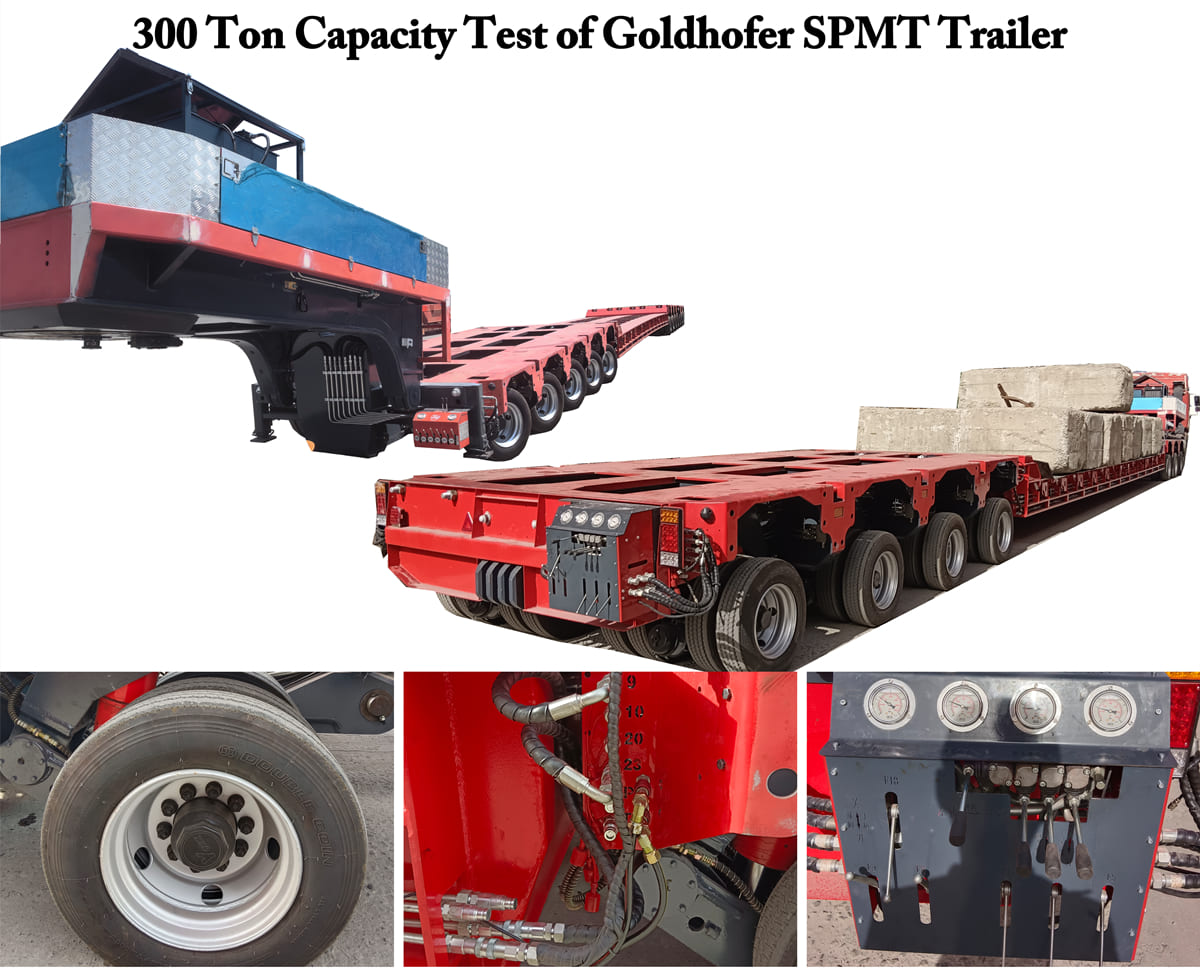 Goldhofer SPMT Trailer Price Guide: Factors Influencing the Cost
A self propelled modular transporter can be a strong investment for Nigerian heavy-haulage contractors when their projects involve repeated transportation of ultra-heavy or oversized equipment that conventional trailers cannot handle efficiently.
Nigeria has a broad industrial and infrastructure environment that can generate heavy transport requirements. The country's oil and gas sector requires movement of large process equipment, while power generation and transmission projects require transformers, turbines, generators and other heavy components. Ports, mining operations, construction projects and large industrial developments can also require specialized transport.
The most important benefit of an SPMT trailer in Nigeria is flexibility. Instead of designing every project around the limitations of a conventional tractor-trailer combination, the transport configuration can be adjusted around the cargo.
For example, a power-generation project may require a transformer weighing hundreds of tonnes to be moved from a port or staging area to a power plant. The SPMT can be configured with sufficient axle lines to distribute the load and can then maneuver the transformer through the project site.
Another advantage is reduced dependence on conventional tractor maneuverability. In a congested industrial site, the SPMT can be controlled from a remote system, allowing the operator to position the cargo with greater precision.
The SPMT is also valuable because it can be reused for different projects. The same modular fleet can be configured differently according to cargo dimensions and weight. This gives a specialized transport company more opportunities to serve different customers instead of being restricted to one fixed trailer application.
However, buying an SPMT should be based on project frequency rather than simply the desire to own advanced equipment. Companies should evaluate expected utilization, available operators, maintenance capability, project pipeline and transport regulations before purchasing.
 Why Buy a Self Propelled Modular Transporter Trailer in Nigeria?
The most important SPMT applications in Nigeria are power equipment transportation, oil and gas equipment handling, port-to-project transportation, industrial plant construction, bridge installation and other projects involving extremely heavy or oversized cargo.
Power Plant and Transformer Transportation
Power projects are one of the strongest applications for an SPMT trailer. Large transformers and generators can be extremely heavy, have high centers of gravity and require careful positioning.
An SPMT can distribute the weight across numerous axle lines while hydraulic suspension helps compensate for surface variations. Once the equipment reaches the power station, the transporter can maneuver it into a designated position.
Nigeria has continuing investment and development requirements in power infrastructure. Government infrastructure records include hydropower projects and power plant concessions, demonstrating the scale of equipment and construction requirements associated with the sector.
Oil and Gas Equipment
Nigeria's oil and gas industry frequently involves large equipment such as pressure vessels, refinery components, process modules, separators and other oversized machinery.
An SPMT can be configured around the dimensions and weight of the cargo, making it suitable for both transportation and on-site positioning. In refinery and petrochemical environments, the ability to move slowly and precisely can be more valuable than high road speed.
Port and Heavy Cargo Operations
Ports are another important application. Oversized industrial cargo may arrive by vessel and need to be transferred to a staging area, storage yard or final project location.
Nigeria's port infrastructure includes major developments involving container, Ro-Ro, liquid products and general cargo facilities.
An SPMT can provide a bridge between maritime logistics and inland project logistics, particularly when the cargo cannot be transported economically using conventional trailers.
Bridge and Infrastructure Construction
Large bridge segments and prefabricated structures can also be transported using SPMTs. Instead of lifting a very large structure repeatedly, a project team can load it onto an SPMT and move it directly to the required installation location.
The ability to steer independently is particularly useful when the structure has to pass through restricted areas or align accurately with a construction position.
Industrial Plant Construction
Industrial plants often require transportation of large skids, modules, vessels and machinery. During construction, equipment may need to be moved several times before final installation.
This is an ideal environment for a self propelled modular trailer because the same equipment can perform transportation, repositioning and final placement operations.
Mining Equipment
Mining projects may require transportation of crushers, processing equipment, large structural components and other machinery. Depending on the cargo and terrain, an SPMT can provide a flexible alternative to conventional heavy-haulage equipment.
The key is to design the SPMT configuration according to ground conditions, axle loading, route geometry and cargo center of gravity.
 Top Applications of SPMT Trailers in Nigeria’s Heavy Transport Industry
A conventional multi-axle hydraulic lowbed is usually more economical for normal road transportation, while an SPMT is better suited to ultra-heavy, oversized and highly maneuverable loads that require independent propulsion and precise positioning.
The two systems should not be treated as direct substitutes. A lowbed trailer is generally pulled by a tractor and is designed primarily for road transportation. An SPMT is a self-propelled modular system designed for specialized heavy transportation and positioning.
A conventional multi-axle hydraulic lowbed can be the better choice when the cargo can be legally and safely transported by tractor and trailer. It is also usually more appropriate for companies whose main business involves excavators, bulldozers, mining machinery and other mobile construction equipment.
An SPMT becomes more attractive when the load exceeds the practical limits of conventional equipment or when precise maneuvering is required.
Another difference is operational control. With a conventional lowbed, the tractor provides propulsion and the driver controls the combination. With a self propelled modular transporter, the power pack and hydraulic system become integral parts of the transport system.
Goldhofer's product range illustrates this distinction. Its PST/SL is specifically a self-propelled heavy-duty module, while its THP/SL is a towed heavy-duty module that can also be combined with self-propelled modules. The THP/SL is rated up to 45 tonnes axle load at 1 km/h and is designed for extreme heavy-duty transportation.
Therefore, a Nigerian heavy-haulage company should not ask only, "Which trailer has the highest capacity?" The more useful question is, "What transport method provides the lowest total project cost while safely completing the required route and positioning operation?"
If the answer involves repeated ultra-heavy cargo movements, restricted sites and precise positioning, an SPMT can justify its higher acquisition cost. If the requirement is primarily conventional road transportation, a multi-axle hydraulic lowbed may provide better economic efficiency.
Add: PLOT 3, OBA, AKRAN AVENUE, IKEJA, LAGOS